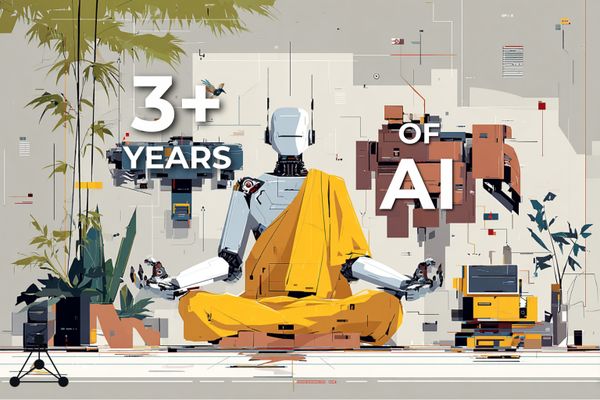
6 Honest Lessons From 3+ Years of AI Using AI well is less about the tools and more about how you think with them. Six lessons from three years of experimentation, including where I got it wrong.
I Wish I Knew This Before Building an AI Second Brain Most AI second brain setups fail because the vault isn't built for it. This covers the structure, linking scheme, and agent protocol that actually make it work.
Everything You Need to Know Before You Start Using Obsidian Discover how to master Obsidian with our comprehensive guide. Learn why Obsidian is unique and how to navigate its features effectively today!
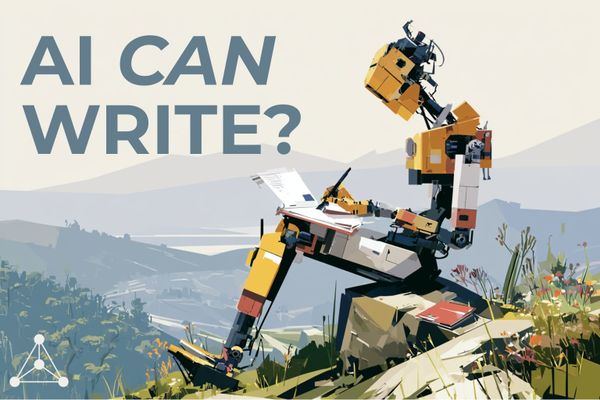
How I Use Claude as a Writing Assistant (to actually improve my writing) AI-generated articles and AI-assisted writing aren't the same thing. Four practical techniques for using Claude as feedback, without losing your own voice.
Seamless Content Ingestion for Claude-Obsidian Second Brain Explore seamless content ingestion for the Claude-Obsidian second brain. Discover tips on efficiently managing your Claude-Obsidian second brain.
Few-shot prompting Vs. Zero-shot prompting. Which approach and when? Most prompts don't need examples. This explains what few-shot prompting does, why examples help models, and when to actually reach for them.
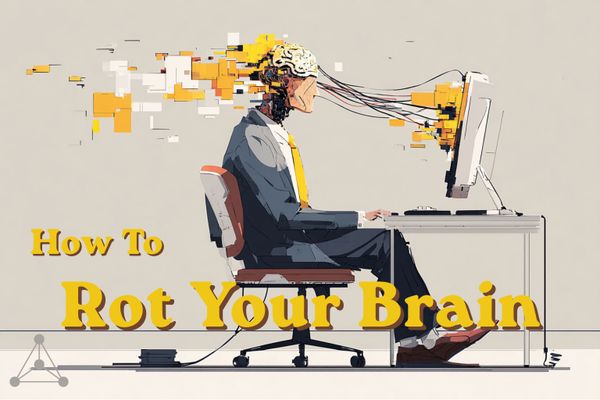
How to Rot Your Brain with AI Studies show heavy AI users score lower on critical thinking tests. The difference isn't which tools you use - it's whether you stay engaged while using them.
How I Built an AI-Powered Task Management System with Obsidian and Claude Code I built an AI-powered task system in Obsidian using custom Claude Code skills. This covers context engineering, note types, and the morning briefing automation.
Role prompting - Giving AI a Persona Role prompting is one of AI's most repeated tips. The research tells a different story. Here's what expert personas actually do to your outputs, and when to use them.
Jargon Buster i. AI, Machine Learning, Deep Learning, Generative AI Every tech pitch uses AI, ML, and deep learning interchangeably. They're not the same. Here's what each term actually means and why the differences matter.
AI's Blindspot: The 'Lost in the Middle' Effect AI models struggle to recall information in the middle of long documents. It's a positional bias called the Lost in the Middle Effect. Here's how to fix it.
Tokens and Context Windows: What They Are and Why They Matter Tokens are how AI measures text. Context windows are working memory. When they fill, earlier content disappears. Here's what that means and how to manage it.
Claude Code: Everything you need to know in 8 minutes or less Claude Code works directly on your files, runs code, and manages tasks without you needing to be a developer. Here's what you need to know to use it well.
MCP Servers: Giving Your AI Agent New Capabilities MCP servers let your AI agent read from and act on external services without manual copy-pasting. Covers setup, authentication, and when to build your own.
Level-up your AI Agent with Skills Engineering Skills are reusable instruction sets for AI agents - write once, the agent uses them on demand. Covers structure, loading logic, security, and authoring tips.
Getting Started with Agent Skills Agent skills let you brief your AI once and have it work your way every time. Learn what they are, how to write them, and where to find ready-made ones.
Exploring AI in Animation: My Journey with VibeManim Testing LLMs on Manim animation code reveals where spatial reasoning breaks down. Four models, the same prompts, progressively harder challenges.
Getting Started with AI: The Fundamentals of Prompting Prompting is a skill. This covers what an effective prompt includes - context, task, constraints, format, and examples - plus five techniques to get started.
Forget "Think step by step", Here's How to Actually Improve LLM Accuracy "Think step by step" used to reliably improve AI outputs. Modern reasoning models handle this internally. Here's what that means for how you should prompt now.
Using AI to Map Legacy and Inherited Code: A Practical Guide Master AI-driven code mapping with this 4-step guide to navigating legacy projects. Turn complex code into clear diagrams and actionable documentation.